
What Is Trenchless Technology and How Does It Repair Pipes Without Digging?
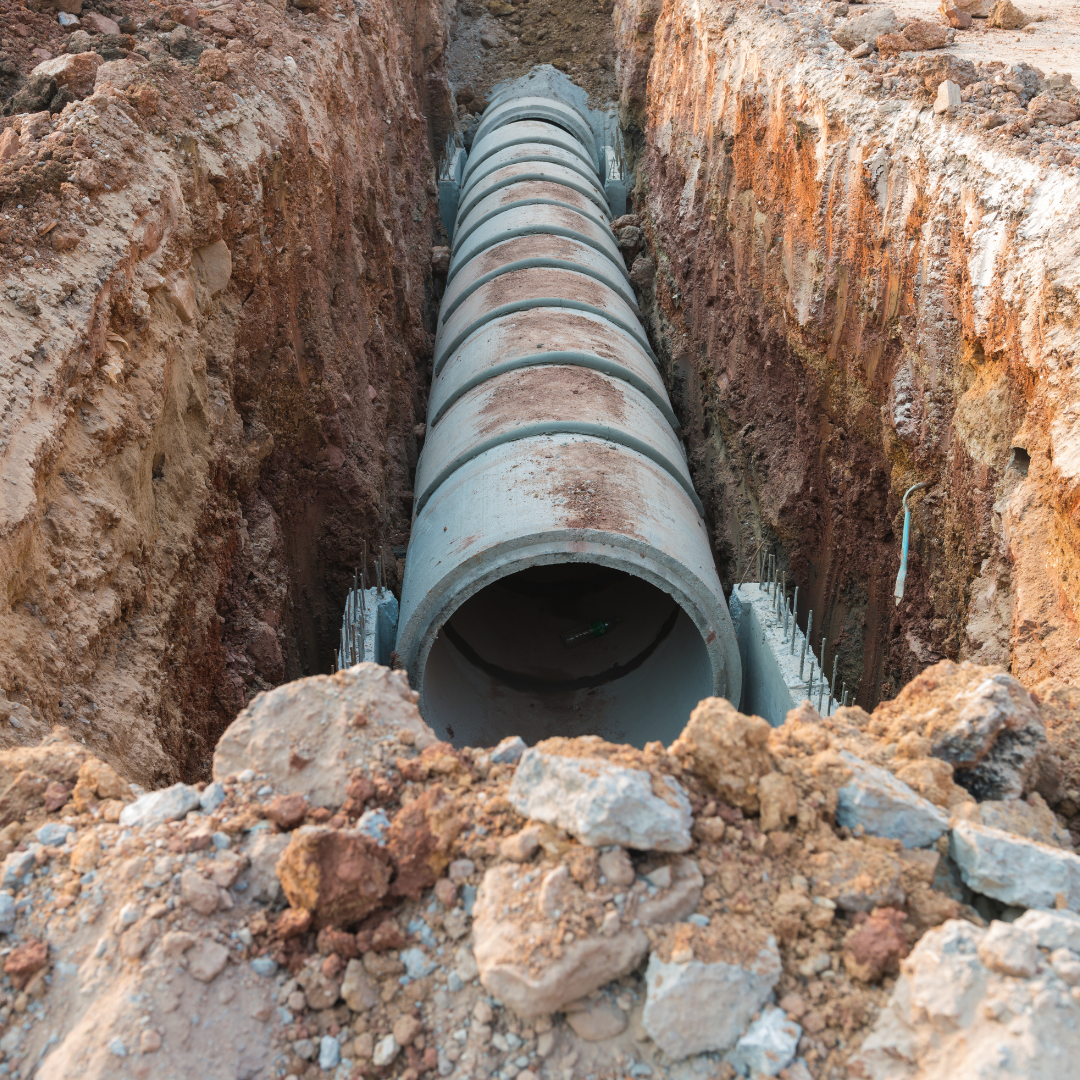
For decades, we have assumed that if an underground pipeline has issues, it means extensive excavation is the only solution. However, trenchless technology has transformed the way aging sewer, stormwater, and water lines are rehabilitated. Instead of digging long trenches to expose damaged pipes, these advanced methods restore or replace pipelines through existing access points, reducing disruption while maintaining or improving system performance.
Whether used in municipal infrastructure, commercial properties, or residential neighborhoods, trenchless repair methods offer a practical alternative to traditional excavation for many types of pipe damage.
What Is Trenchless Pipe Repair?
Trenchless pipe repair refers to a group of rehabilitation techniques that restore or replace underground pipelines with little to no excavation. Most projects require only one or two access points, allowing crews to complete repairs while minimizing damage to roads, landscaping, sidewalks, and buildings.
Rather than removing an entire pipeline, many trenchless methods utilize the existing pipe as a pathway or structural host for the new system. This approach often shortens project timelines while reducing restoration costs after construction.
How Does It Work?
Although different trenchless methods follow different processes, most projects include several key steps:
- Pipeline inspection: High-definition CCTV cameras identify cracks, corrosion, root intrusion, joint separation, or other defects.
- Pipe cleaning: Debris, grease, scale, or roots are removed using mechanical cleaning or hydro jetting equipment.
- Method selection: Engineers determine the appropriate rehabilitation method based on pipe material, diameter, structural condition, and flow requirements.
- Installation: The chosen trenchless system is installed through existing access points.
- Final inspection: Cameras verify that the completed repair meets quality and performance standards.
This inspection-driven approach helps ensure the selected solution addresses the specific condition of the pipeline rather than relying on assumptions.
Benefits of Trenchless Repair
Trenchless methods provide several operational and economic advantages over traditional excavation.
Less Surface Disruption
Because only limited access excavations are typically required, landscaping, pavement, parking lots, sidewalks, and roadways experience far less disturbance. This is especially valuable in densely developed areas where excavation can significantly impact traffic and property access.
Faster Project Completion
Many trenchless projects can be completed more quickly than conventional pipe replacement because crews spend less time excavating, hauling spoil material, and restoring disturbed surfaces.
Lower Restoration Costs
Excavation frequently creates expenses beyond the pipe repair itself, including concrete replacement, asphalt paving, landscaping, and site restoration. By minimizing digging, trenchless methods often reduce these associated costs.
Better Structural Performance
Modern rehabilitation systems create durable pipelines designed to resist corrosion, infiltration, and root intrusion while extending the service life of existing infrastructure.
When Is Trenchless Technology Appropriate?
Trenchless rehabilitation can address many common pipeline problems, including:
- Cracked pipes
- Corroded sewer lines
- Root intrusion
- Offset joints
- Infiltration and exfiltration
- Aging infrastructure nearing the end of its service life
However, not every pipeline is a candidate for trenchless repair. Pipes that have completely collapsed, experienced major alignment changes, or suffered extensive structural loss may require replacement instead. A professional inspection is necessary to determine the most effective solution.
Choosing the Right Repair Method
Trenchless technology continues to change how damaged pipelines are repaired by reducing excavation, preserving surrounding infrastructure, and delivering long-lasting results in many applications. Understanding the available rehabilitation methods can help property owners, facility managers, and municipalities make informed decisions when pipe problems arise.
If you’re evaluating pipe repair options or want to better understand which rehabilitation method may be right for your project, contact us today. We’re here to answer your questions and help you better understand the solutions available for your pipeline.