
How Does CIPP Support Smarter Infrastructure Engineering for Aging Pipe Systems?
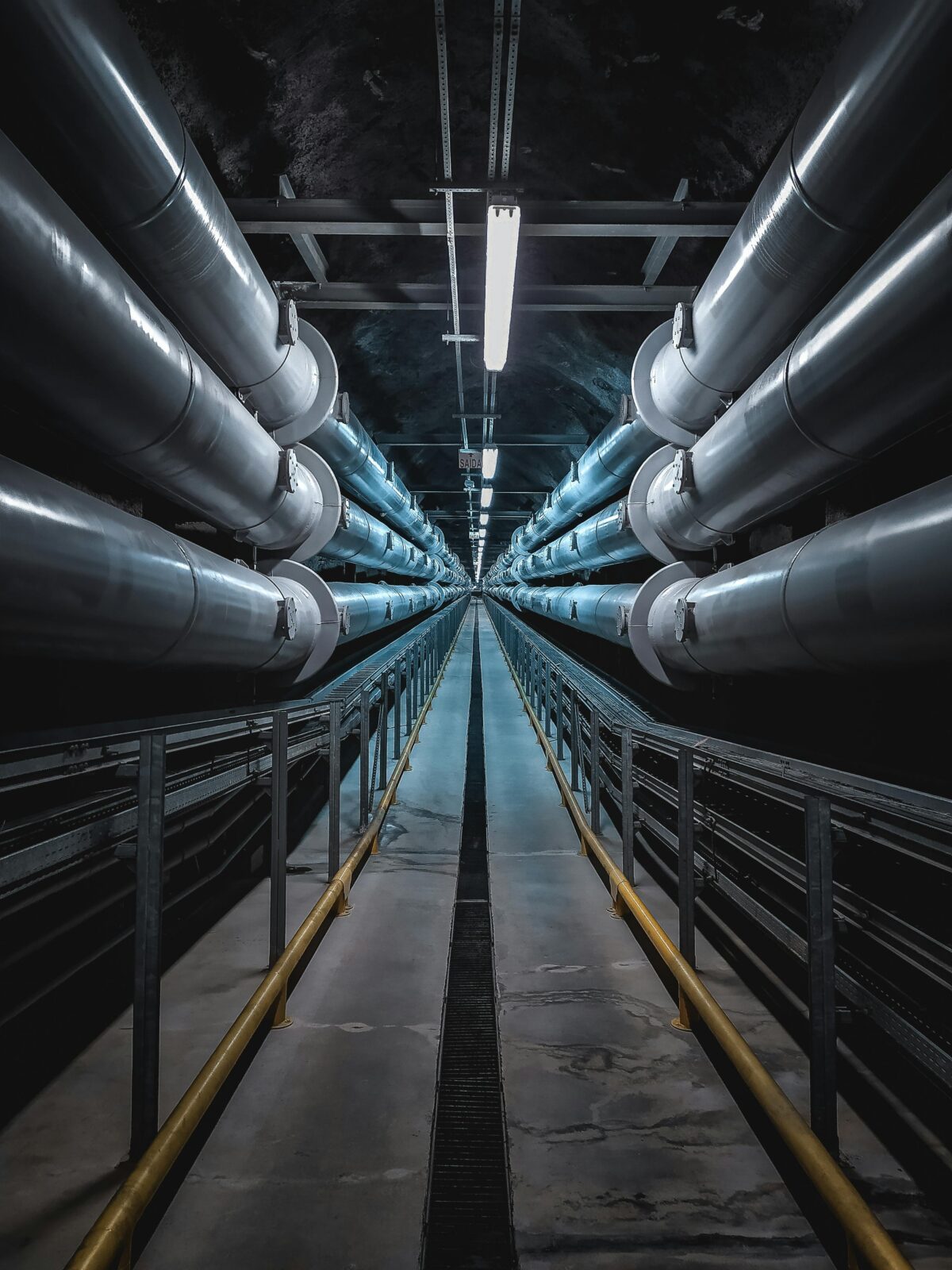
Aging pipelines force asset owners to balance structural risk, hydraulic performance, capital budgets, service interruptions, and long-term reliability. Cured-in-place pipe offers infrastructure engineering teams a way to rehabilitate suitable assets without automatically defaulting to excavation and replacement. When supported by accurate inspection, project-specific design, and documented quality control, CIPP can extend service life while reducing disruption to roads, facilities, and surrounding systems.
Condition Data Drives Method Selection
CIPP planning begins with a detailed assessment of the host pipe. Closed-circuit television inspection helps identify cracking, corrosion, joint separation, infiltration, root intrusion, deformation, and other defects. Cleaning may be necessary before inspection so deposits do not conceal damage or distort measurements.
Inspection data also helps determine whether the line is a viable candidate. The host pipe must generally maintain a continuous pathway for liner installation. Complete collapse, major misalignment, severe ovality, or an uncorrected sag may require point excavation, replacement, or another rehabilitation method.
This condition-based approach allows engineers to select a response that matches the failure mechanism instead of applying one technology across an entire system.
Structural Design Responds to Verified Loads
A CIPP liner is not simply a standard tube inserted into every pipe. Its thickness, reinforcement, and resin system must be selected according to project conditions. Design inputs may include:
- Pipe diameter and geometry
- Depth and soil loading
- Live loads from traffic or equipment
- Groundwater pressure
- Host-pipe condition
- Internal operating pressure
- Required design life
- Chemical and temperature exposure
Depending on the design, the liner may work with the remaining host pipe or function as a fully structural pipe capable of supporting required loads independently. Applicable ASTM practices and material specifications provide a foundation for calculating, installing, and testing the finished system.
Hydraulic Performance Can Be Modeled
Internal lining slightly reduces the pipe’s diameter, making hydraulic analysis an essential part of planning. However, the cured liner creates a smooth, seamless surface without the offset joints, deposits, corrosion, or root intrusion found in many deteriorated lines.
Engineers should compare the proposed finished diameter and surface characteristics with current peak flow, projected demand, surcharge conditions, and capacity requirements. If the existing system is already undersized, rehabilitation may preserve a capacity problem rather than solve it. In that case, upsizing, parallel capacity, or replacement may be more appropriate.
Installation Limits Surface Disruption
CIPP uses existing access points whenever feasible. After cleaning and preparation, a resin-saturated liner is inverted or pulled into the host pipe. It is expanded against the interior and cured using hot water, steam, or ultraviolet light, depending on the specified system.
Once curing is complete, service connections are reopened and the pipeline is inspected. Because the process does not require a continuous trench, it can reduce pavement removal, traffic impacts, excavation quantities, restoration work, and interference with occupied facilities.
Bypass pumping or temporary flow management may still be required. These elements must be engineered for peak conditions and supported by redundancy, alarms, backup power, and an emergency response plan when failure would have serious consequences.
Quality Assurance Protects Long-Term Performance
The value of a structural liner depends on field execution. Specifications should establish requirements for liner materials, resin impregnation, storage temperatures, insertion pressures, curing temperatures, cure duration, finished thickness, physical-property testing, and post-installation inspection.
Pre- and post-installation video records provide important documentation. Owners may also require material samples, laboratory testing, cure logs, connection verification, and corrective procedures for wrinkles, under-cure, thickness deficiencies, or other defects.
Build Better Decisions Around Existing Assets
CIPP supports smarter infrastructure engineering by connecting condition assessment, structural calculations, hydraulic analysis, constructability, and lifecycle planning. It is not appropriate for every damaged line, but it can provide a durable, lower-disruption alternative when the host pipe, operating environment, and design requirements align. Contact us to arrange an inspection and determine whether CIPP belongs in your pipeline rehabilitation strategy.