
What Is Sewer Rehabilitation and When Is CIPP the Right Solution?
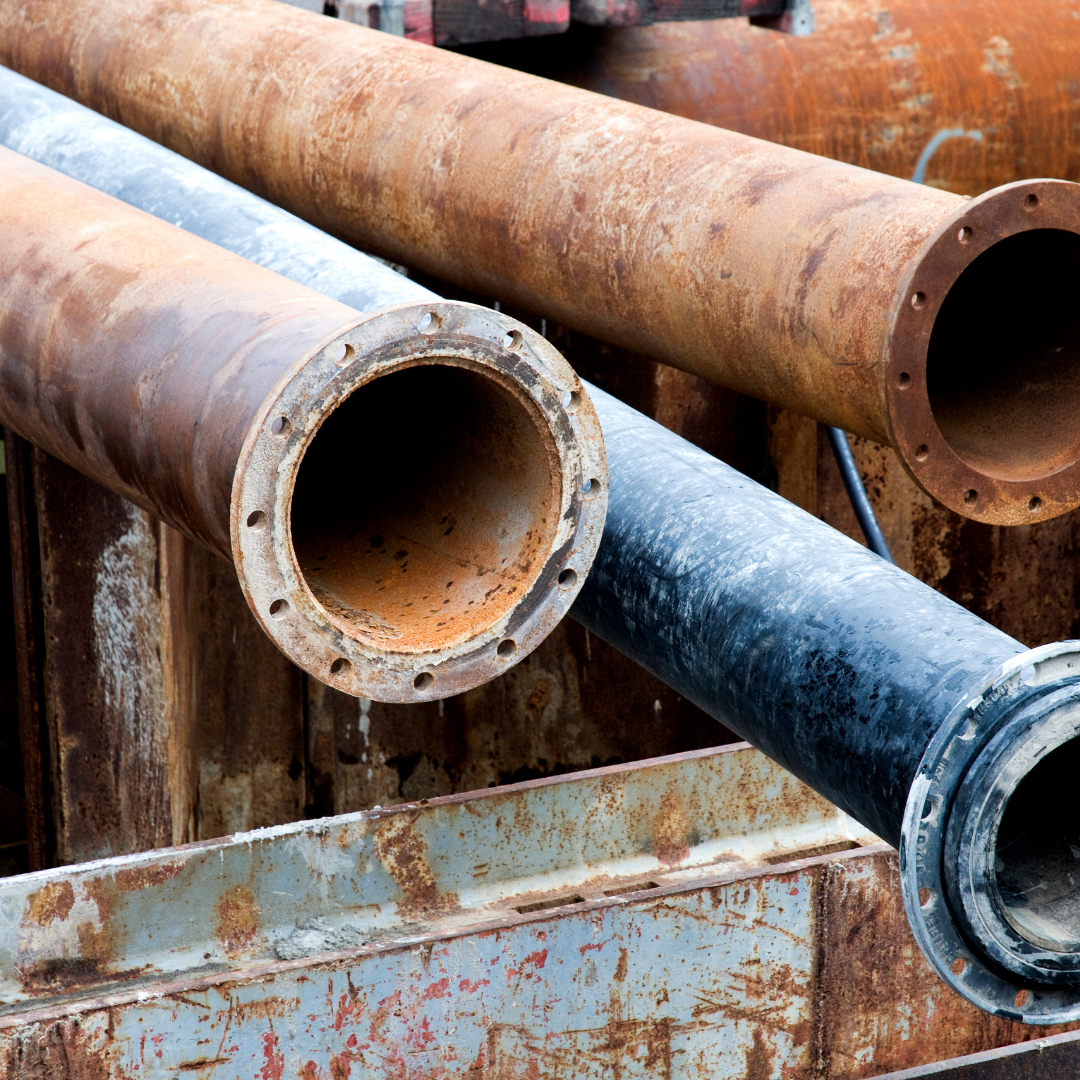
Sewer rehabilitation restores the condition, performance, and structural integrity of an existing pipeline without necessarily replacing the entire system. Depending on the damage, professionals may use cleaning, localized repairs, protective coatings, or trenchless lining methods. Cured-in-place pipe (CIPP) is one of the most versatile options, but determining whether it is appropriate requires a careful evaluation of the existing line.
Why Aging Sewer Pipes Need Attention
Underground pipes can deteriorate for years before obvious problems appear. Corrosion, shifting soil, root intrusion, worn joints, and repeated exposure to wastewater may gradually weaken a line. Without timely repairs, the damage can lead to leaks, backups, groundwater infiltration, or pipe failure.
Common warning signs include:
- Recurring blockages or slow drainage
- Cracks, corrosion, or separated joints
- Tree roots growing into the pipeline
- Wastewater leaking into the surrounding soil
- Groundwater entering through damaged areas
- Declining flow capacity or system performance
A CCTV inspection allows professionals to locate these problems and assess the pipe’s overall condition. The findings help determine whether the line can be restored from within or requires another repair method.
How CIPP Restores an Existing Pipeline
CIPP creates a new structural pipe inside the damaged line. After the host pipe is inspected and thoroughly cleaned, a flexible liner saturated with resin is inserted through an existing access point. Air or water pressure positions the liner against the interior walls.
The liner is then cured using steam, hot water, or ultraviolet light. Once hardened, it forms a seamless, jointless pipe that seals cracks, closes gaps, and helps prevent future root intrusion. A final camera inspection confirms that the liner has cured correctly and that service connections have been reopened.
Because most of the work occurs inside the existing pipeline, CIPP can significantly reduce excavation, surface damage, traffic interruptions, and restoration expenses.
When Is CIPP an Appropriate Choice?
CIPP may be suitable when a pipeline has:
- Cracks, leaks, or minor deformation
- Corrosion or material deterioration
- Root intrusion at joints
- Infiltration or exfiltration problems
- Difficult-to-access sections beneath roads, buildings, or landscaping
- Enough remaining structure to support liner installation
The method can accommodate many pipe materials, diameters, bends, transitions, and irregular configurations. Properly designed and installed liners can also provide decades of service while resisting corrosion and chemical exposure.
When Might an Alternative Method Be Necessary?
CIPP is not automatically the best choice for every damaged line. A fully collapsed pipe, severe misalignment, major diameter loss, or extensive structural failure may prevent liner installation. Localized excavation, pipe bursting, or another trenchless technique may be more appropriate in these situations.
Access, pipe diameter, groundwater conditions, loading requirements, and project goals must also be considered. A professional evaluation is essential because the liner material and thickness should be engineered for the specific environment.
Explore the Right Solution for Your Pipeline
Effective sewer rehabilitation begins with understanding the pipe’s actual condition rather than selecting a repair method based on symptoms alone. CIPP can provide a durable, minimally disruptive solution when the host pipe remains a suitable candidate. Contact us today to discuss your pipeline concerns, learn more about the CIPP process, and determine which repair approach best fits your system.