
Sewage Disposal Problems? How CIPP Can Help Fix Blockages
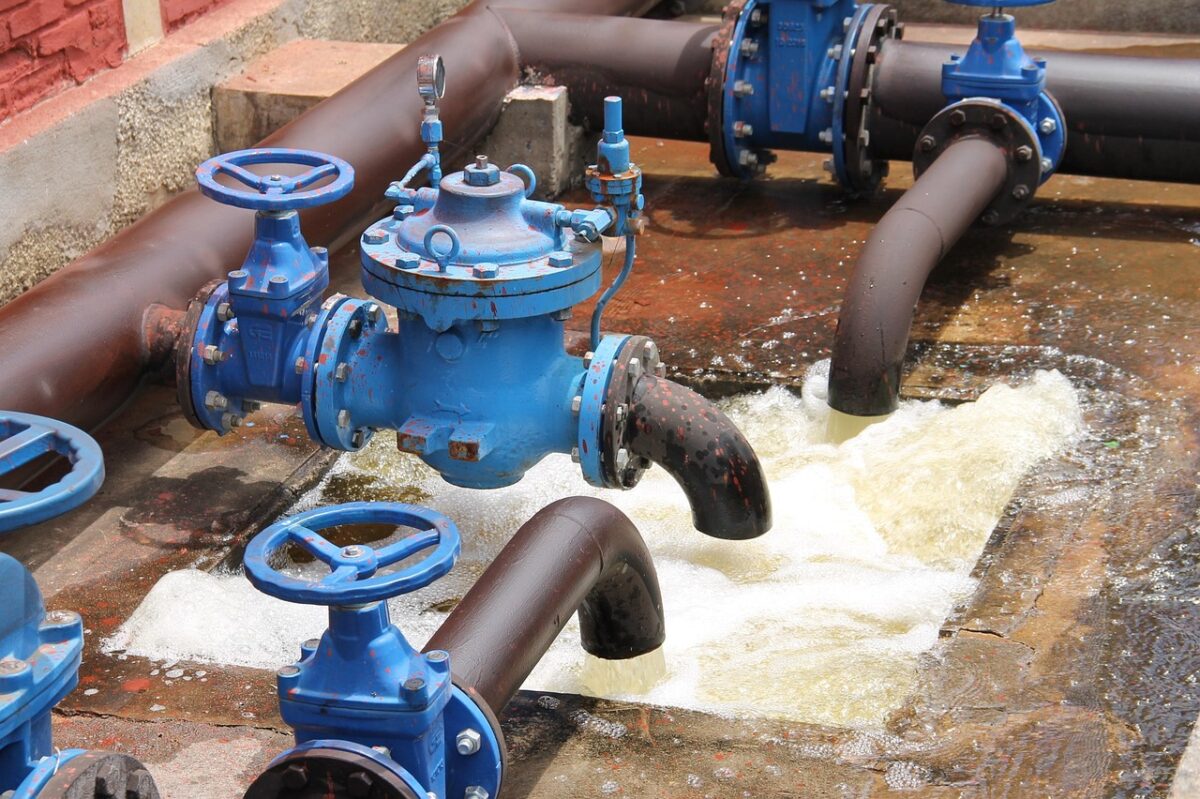
When sewage disposal systems fail, it can quickly become a health hazard that can disrupt homes, businesses, and entire communities. Blockages in sewer lines often lead to foul odors, backups, and even property damage.
Traditionally, fixing these issues meant digging up large sections of pipe, causing significant expense and disruption. Today, however, cured-in-place pipe (CIPP) technology offers a smarter, trenchless solution to restoring sewage lines and eliminating blockages.
Causes of Sewage Disposal Problems
Blockages don’t happen overnight. They usually develop over time due to a combination of factors:
- Tree root intrusion – Roots naturally seek moisture and can penetrate even small cracks in sewer pipes, leading to clogs and structural damage.
- Debris buildup – Grease, wipes, and other non-flushable items often accumulate inside pipes.
- Pipe corrosion and aging – Older materials, such as clay, cast iron, or concrete, degrade over time, creating rough surfaces that catch waste.
- Ground shifting – Soil movement and heavy traffic aboveground can cause pipes to crack or misalign.
Each of these issues can result in backups that threaten sanitation and safety.
Why Traditional Pipe Repair Falls Short
Traditional repair methods often involve excavation, pipe replacement, and days of disruption. This approach:
- Damages landscaping, driveways, or roads.
- Requires heavy machinery and higher labor costs.
- Causes extended downtime for homes or businesses.
For municipalities and property owners alike, these drawbacks make traditional replacement less than ideal when faster, cleaner solutions are available.
How CIPP Works to Restore Sewer Lines
CIPP is a trenchless rehabilitation method that restores existing pipes from the inside out. Here’s how the process helps fix sewage blockages:
- Inspection – A video camera is sent into the pipe to identify damage and pinpoint blockages.
- Cleaning – The pipe is cleared using hydro-jetting or mechanical tools to remove debris, grease, and roots.
- Liner installation – A resin-saturated liner is inserted into the existing pipe using water or air pressure.
- Curing – Heat, steam, or UV light cures the resin, hardening it into a durable, seamless new pipe inside the old one.
- Final inspection – A second video check confirms the pipe is fully restored and free of blockages.
This process creates a “pipe within a pipe,” sealing cracks, preventing infiltration, and providing a smooth surface that resists future buildup.
Benefits of Using CIPP for Sewage Disposal Problems
CIPP offers several advantages over excavation and replacement:
- Minimal disruption – No need to dig up large sections of ground.
- Faster turnaround – Many projects are complete in a day or two.
- Durability – New liners can extend pipe life by 50 years or more.
- Improved flow – The smooth interior reduces friction and minimizes future blockages.
- Cost savings – Reduced labor and restoration costs make CIPP more affordable in the long run.
For property owners and municipalities dealing with sewage issues, CIPP provides a solution that is both effective and sustainable.
Preventing Future Blockages
Restoring pipes with CIPP doesn’t just solve today’s problem—it helps prevent future sewage disposal issues. The seamless, jointless liner resists intrusion, corrosion, and buildup, which means fewer emergencies and less maintenance over time.
Property owners can also reduce the risk of blockages by:
- Avoiding flushing wipes, grease, and other debris
- Scheduling regular inspections of older pipes
- Using hydro-jetting services to maintain flow
CIPP is the Ultimate Sewage Disposal Solution
These types of problems can be messy, disruptive, and hazardous, but they don’t have to turn into costly excavation. With CIPP technology, property owners and municipalities can restore pipes quickly, safely, and with minimal disruption.
For more information about trenchless solutions and how they can help fix sewage disposal problems, visit What is CIPP today. Our resources provide valuable insights into how cured-in-place pipe technology can protect your property and keep your sewer systems flowing smoothly.